Your Essential Guide to Shad

During the brutal winter of 1777-1778, Washington's Continental Army was starving at Valley Forge. When spring finally broke, so did the shad runs. Massive schools of American shad surged up the Schuylkill River, and soldiers hauled in thousands of fish with improvised nets. Barrels of salted shad kept the army fed long enough to fight another season. Native Americans along the Eastern Seaboard had depended on those same spring shad runs for centuries, building weirs and trapping shad in quantities large enough to feed entire villages and fertilize their crops. In his book, The Founding Fish, Pulitzer Prize winner John McPhee details how American shad played a more pivotal role in the survival of early Americans than any other fish.
Together with Robert DiGregorio, Fulton Fish Market's head of quality control, we're breaking down everything you need to know about the historic shad fish that helped shape America.
What is Shad?
Shad are a group of fish in the herring family (Clupeidae) found in rivers and coastal waters around the world. Common species include American shad, hickory shad, gizzard shad, and threadfin shad, but American shad (Alosa sapidissima) is the largest and most well-known of the group in the US and is simply referred to as shad. They typically reach 3 to 5 pounds and 17 to 24 inches long, with a distinctive silver body and a row of dark spots along the upper flank behind the gill plate. Females, called roe shad, grow noticeably larger than males, known as buck shad. Like salmon, shad are anadromous, spending most of their adult lives in the Atlantic Ocean before returning to the freshwater rivers where they were born to spawn.
American shad range from the St. John's River in Florida north to the Gulf of St. Lawrence in Canada. In 1871, a fish culturist named Seth Green transported 10,000 shad fry (baby fish) by rail to the Sacramento River, and the species has since spread throughout Pacific Coast waterways.
What Does Shad Taste Like?
Shad is rich and fatty with a silky texture. Shad has a pronounced, savory richness closer to mackerel or bluefish than to any white-fleshed fish. The high fat content gives the meat a smooth, almost creamy mouthfeel that's hard to find in other species. Even the Latin name, Alosa sapidissima, translates to "most delicious." When cooked properly, the flesh separates into large, satisfying flakes with a clean finish. At one time, the first shad of the season was so highly prized that New York City's finest restaurants competed to be the first to serve it.
What Do Shad Eat?
In the ocean, shad are filter feeders and scavengers, straining plankton, small crustaceans, fish eggs, and worms through their gill rakers as they swim. Their diet shifts with depth and season, but they feed constantly during their years at sea, building fat reserves that give their flesh its character.
Once they enter freshwater to spawn, everything changes. As John McPhee wrote in The Founding Fish, "[Shad] return to their natal rivers and eat nothing on the spawning run. Like salmon swimming two thousand miles up the Yukon River, migrating shad exist on their own fat."
When is Shad Season?
Shad season is short in each region, typically starting in mid-February in Florida for a few weeks. The shad run then reaches the mid-Atlantic and Northeast by April and May before tapering off in June.
"We like to think of shad season as the harbinger of spring,” says DiGregorio. “So when shad season is upon us, we can look forward to warmer days ahead."
What is Shad Roe?
Shad roe is the egg sac of the female shad, filled with thousands of tiny eggs. It's considered one of the most prized forms of roe in American cooking, and it's the reason roe shad (females) command significantly higher prices than buck shad (males).
The traditional shad roe preparation involves pan-frying it in butter over medium heat until the exterior reaches a golden hue and the interior is perfectly set. For a more refined approach, try our butter-poached shad roe with spinach cream sauce recipe.
How is Shad Harvested?
American shad is exclusively wild-caught. Commercial fishermen harvest shad using gill nets and drift nets during the spring spawning runs, targeting them as they move upriver. There is no known commercial shad farming.
Shad populations declined sharply through the 19th and 20th centuries due to overfishing, dam construction, and water pollution. Today, shad fish is a Federal Trust species protected under the Anadromous Fish Conservation Act. Restoration efforts, including dam removal, fish passage construction, and conservation stocking, are underway from Maine to Virginia. At Fulton Fish Market, we support sustainable sourcing practices that protect species like shad for future generations. Any shad we source is guaranteed to be sustainably harvested in accordance with strict regulations.
How To Buy Shad
Due to low catch quotas and the difficulty of processing shad, they’re among the hardest fish to source. Fulton Fish Market is proud to supply American shad when in season. When buying shad, look for firm and moist flesh with a clean smell and no browning at the edges. Here's how Jerry from the US reviewed our shad:
"Shad fillets have been impossible to come by in recent years, but Fulton's customer service staff made a special effort, and I was delighted to receive a special order of the fish, beautifully fileted and expertly packaged. Baked with butter and capers, the flavor was superb!"
There are a few shad formats to consider when buying shad, each delicious and serving its own purposes.
- Whole shad arrives unprocessed and requires skilled boning, so it's best suited for experienced fish cutters or those willing to slow-bake the shad until its bones are soft enough to eat.
- Butterflied shad is split open with the backbone removed, though the floating ribs typically remain in the fillets.
- Deboned shad fillets are the most convenient option for home cooks, with both the backbone and floating ribs removed by hand.
- Shad roe is sold separately as paired egg sacs from female shad and is prized enough to seek out on its own.
Is Shad Healthy?
Shad is packed with omega-3 fatty acids, making it one of the most nutritious fish available during its short season. It's also a strong source of protein, B vitamins, vitamin A, phosphorus, potassium, and selenium. Eating just two 3-ounce servings of fatty, omega-3-rich fish such as shad per week can reduce your risk of dying from heart disease by 36%. Read our Health Benefits of Seafood article to learn more.
Our Favorite Shad Recipes
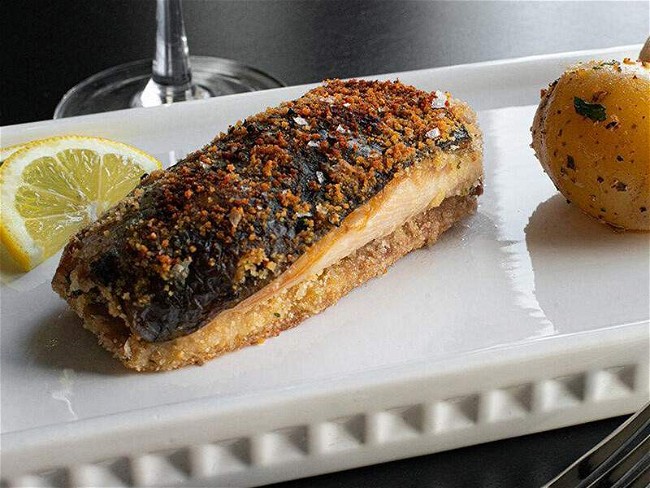
Coat deboned fillets in seasoned breadcrumbs and bake for a quick, satisfying weeknight dinner.
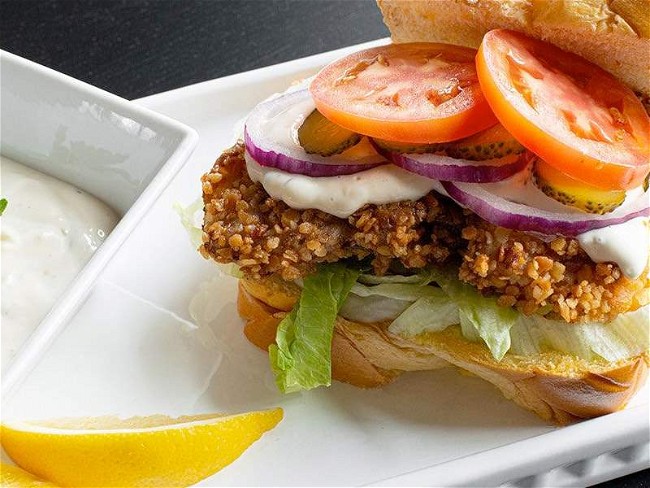
A spring classic of battered and fried shad on soft potato or brioche buns with homemade tartar sauce.
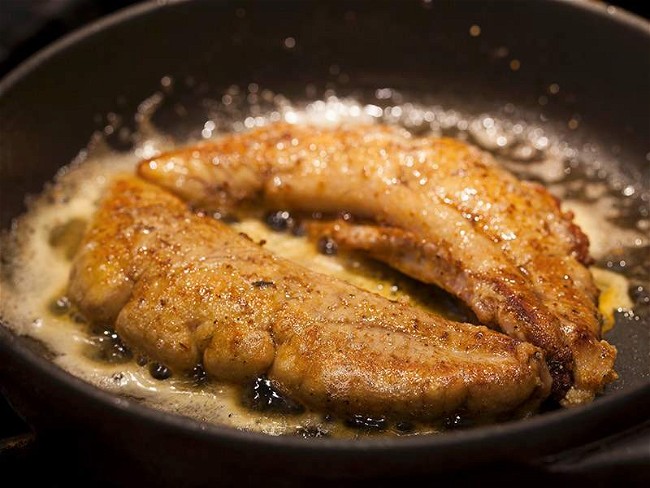
Enjoy the short shad season with this simple yet indulgent recipe for fresh shad roe.
FAQs
Is shad the same as herring?
American shad belongs to the herring family (Clupeidae). Shad is a distinct species of herring and is the largest member of the family. Shad grow significantly bigger than Atlantic herring, alewife, or blueback herring. The flavor profile also differs from other herring. Shad is considerably richer and fattier than its smaller relatives.
Why is shad difficult to fillet?
Beyond the standard spine and rib cage, shad have a second set of "floating ribs" that run the length of each fillet.
DiGregorio explains that at the market, fish cutters who acquired the skill of boning shad wouldn't even let you watch. “Their thinking was if they show you, and you show a couple of guys, before you know it there's less money for them."
For most home cooks, the best option is to order deboned fillets from a trusted source.
Are shad bones safe to eat?
Yes, shad bones are safe to eat, though they aren't necessarily delicious. Shad’s additional set of ribs makes it one of the hardest fish to fillet cleanly, so an occasional bone is found in a fillet. Slow baking at low temperatures can soften the smaller bones enough to eat through, but most people prefer buying deboned fillets from reputable experts like Fulton Fish Market to avoid shad bones entirely.
